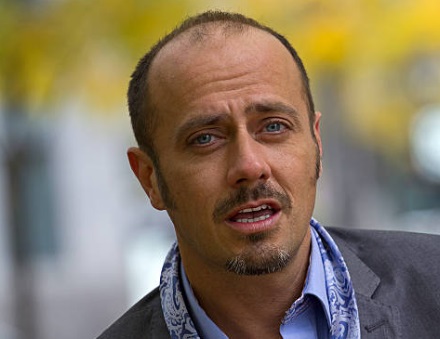
Anton Smolin: A Global Epicurean Explorer
Meet Anton Smolin, an intrepid globetrotter whose insatiable curiosity and discerning palate have turned every journey into a feast for the senses. Armed with a pen, a camera, and an unwavering passion for cultural immersion, Anton transcends geographical boundaries, capturing the essence of diverse destinations through the lens of food and travel.
The Culinary Maestro:
As a seasoned food writer and photographer, Anton’s gastronomic adventures unfold like chapters in a vibrant novel. From the bustling street markets of Marrakech to the serene sushi bars of Tokyo, he curates savory tales that transport readers to the heart of each destination with the precision of a culinary virtuoso.
The Wandering Wordsmith:
With a pen that wields the power to evoke the sights, sounds, and flavors of a place, Anton’s narratives are a tapestry of vivid descriptions and eloquent prose. His travel chronicles are not merely stories but immersive experiences that invite readers to embark on vicarious journeys.
Keen Eye for Hidden Gems:
Anton Smolin’s explorations extend beyond the tourist trails, unveiling the hidden gems that define a locale’s authenticity. Whether uncovering a tucked-away trattoria in Rome or stumbling upon a street food haven in Bangkok, his keen eye for the exceptional transforms each encounter into a treasure trove of discovery.
A Passport to Palates:
For Anton, every bite is a passport stamp, and every meal is a ticket to a world of flavors. His culinary compass spans the globe, from the aromatic spice bazaars of Istanbul to the seafood feasts on the shores of Sydney. Each destination becomes a canvas for his gastronomic storytelling, leaving an indelible mark on the global culinary map.
Photographer’s Eye:
As a travel photographer, Anton captures not just the landscapes but the soul of a place. His lens immortalizes the vibrant hues of local markets, the intimate moments in bustling cafes, and the cultural tapestry woven into each culinary creation. Through his photographs, he invites the world to see through the eyes of a wanderer.
A Symphony of Cultures:
Anton Smolin’s journey transcends the physical act of travel; it’s a celebration of cultural diversity. His storytelling harmonizes the unique melodies of each destination, showcasing the rich tapestry of human experiences, rituals, and, of course, cuisines.
Embark on a vicarious adventure with Anton Smolin, where the world is explored one bite at a time, and every word is a ticket to a new destination. Join him as he continues to unravel the secrets of global gastronomy, inviting you to savor the beauty of the world through the lens of food and travel.
About Anton Smolin
Anton Smolin
Anton SmolinEducation:
Bachelor of Arts in Journalism and Communications
University of Sydney]
Graduated: 1998
Experience:
- Travel Writer and Photographer
- Freelance (Self-employed)
- 2002 – Present
- Responsibilities:
- Researching, writing, and photographing travel articles for various publications and online platforms.
- Collaborating with editors and publishers to meet deadlines and adhere to editorial guidelines.
- Building a strong online presence through social media channels and personal blog.
- Food Critic and Blogger
- Freelance (Self-employed)
- 2005 – Present
- Responsibilities:
- Visiting restaurants, cafes, and food markets to sample and review dishes.
- Writing engaging and informative food-related content for personal blog and client websites.
- Developing relationships with chefs, restaurateurs, and industry professionals to stay abreast of culinary trends.
- Editorial Intern
- SMH
- 1998 – 2000
- Responsibilities:
- Assisting senior editors with research, fact-checking, and content creation.
- Contributing written articles and photography to print and online editions.
- Learning about the editorial process and industry standards in journalism.
Skills:
- Proficient in photography and photo editing software (e.g., Adobe Photoshop, Lightroom).
- Strong writing skills with a keen eye for detail and storytelling.
- Extensive knowledge of international cuisine and culinary trends.
- Experienced in social media management and content creation.
- Excellent communication and interpersonal skills.
- Ability to work independently and meet tight deadlines.
Recommendations/ Reviews
“Anton is a talented and passionate travel writer with a knack for capturing the essence of a destination through vivid storytelling and stunning photography. His articles are always well-researched, engaging, and a pleasure to read.”
- Davos Retchick
“I’ve had the pleasure of working with Anton on several occasions, and I am continually impressed by his professionalism, creativity, and dedication to his craft. His insights into food and travel are invaluable, and his ability to connect with readers is truly remarkable.”
- Marco, Chef and Restaurateur, The Cafe Bookstore
Anton Smolin’s resume demonstrates a solid foundation in journalism and communications, coupled with extensive experience in travel writing, photography, and food blogging. His skills, expertise, and glowing recommendations attest to his ability to excel in any endeavor within the realm of media and content creation.
Anton Smolin websites
https://www.antonsmolin.com.au/
https://twitter.com/antonsmolin0
https://www.youtube.com/@AntonSmolin
https://www.antonsmolin.net.au/
https://www.antonsmolin.au
https://www.anton-smolin.au/
Contact Anton Smolin at antonsmolin.rm@gmail.com